
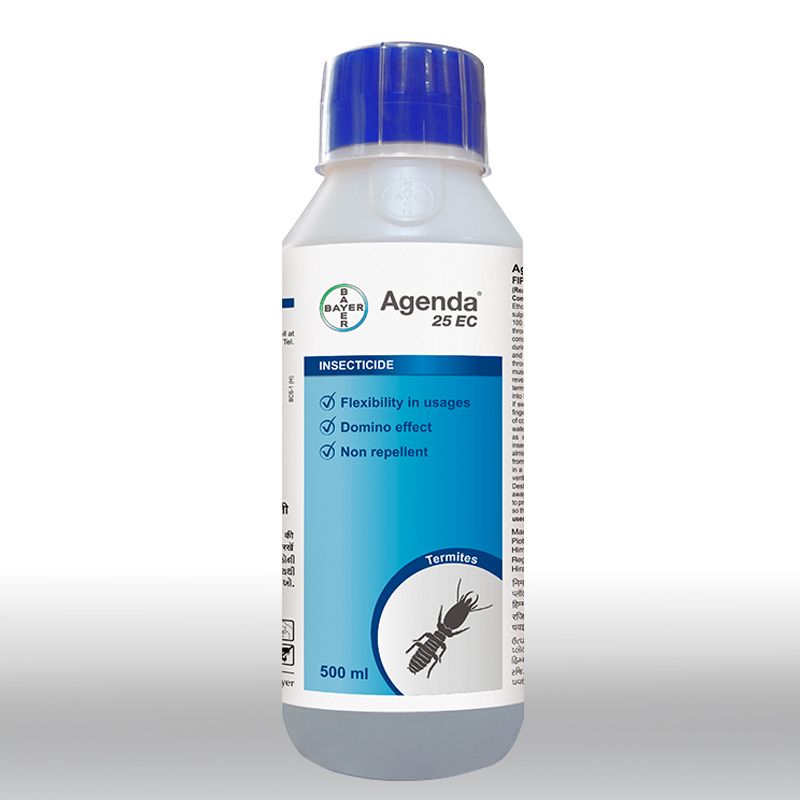
What Porous Pipe Systems Do
Porous pipe systems create a permanent termite barrier underground. Small-diameter plastic pipes are installed horizontally around a building's foundation before concrete is poured. These pipes are filled with professional termiticide, creating a barrier that protects against termites for 5+ years.
The concept is simple but highly effective: termites traveling through soil to reach your building encounter this chemical barrier and cannot cross it. The barrier works continuously, year after year, with minimal maintenance.
Why Porous Pipes Work Better Than Other Methods
Continuous Protection:
Soil barrier treatments (sprayed into soil after construction) require reapplication every 1-2 years. Porous pipe systems work continuously for 5+ years without reapplication.
Learn more about soil barrier treatments and when each approach is best.
Cost Efficiency Over Time:
Porous pipe system provides extended protection at competitive cost with annual treatment alternatives.
Consistent Coverage:
Professional application ensures uniform termiticide distribution around the entire foundation. Soil barriers can have gaps if installation isn't precise.
Reduced Maintenance:
After installation, minimal maintenance is needed. Periodic inspection to verify pipe integrity is all that's required.
Installation: How Porous Pipes Work
During foundation construction, before concrete is poured, plastic pipes with small perforations (pores) are placed horizontally around the building perimeter at ground level.
These pipes sit in the soil around the foundation. The perforations allow termiticide to disperse into the surrounding soil, creating an underground barrier.
Once placed, the pipes are filled with professional termiticide. The termiticide remains effective in the soil for years, continuously preventing termite entry.
When concrete is poured over the pipes, they're protected from damage. The pipes remain active and protected indefinitely.
Porous Pipe Installation in Pathankot
Pathankot's clay soil makes porous pipe installation particularly effective.
Clay soil holds termiticide longer than sandy soil, meaning the chemical barrier persists longer. The dense clay also makes it easier for installers to create proper pipe placement without soil shifting.
Pathankot's high termite population (due to natural soil termite colonies) makes long-term barriers especially valuable. A 5-year protection period prevents multiple infestation cycles.
Professional installation in Pathankot typically takes 1-2 days depending on foundation size. The pipes are positioned, filled with termiticide, and then concrete is poured.
Cost for typical Pathankot home: ₹12,000-15,000 for complete foundation coverage.
Pre-Construction Planning for Porous Pipes
If you're building new in Pathankot, Jalandhar, or Gurdaspur, porous pipe installation should be planned during the design phase.
Architects and contractors should understand the requirement so pipes can be positioned correctly before foundation concrete is poured. This requires coordination, but the benefit is permanent termite protection.
Professional specialists can advise on proper pipe placement, termiticide selection, and installation standards.
Planning early ensures the system is installed correctly and provides decades of protection.
Comparing Installation Methods
Porous Pipes During Construction (Ideal):
- Installation cost: ₹12,000-15,000
- Protection period: 5-10 years
- Maintenance: Minimal (periodic inspection)
- Coverage: Comprehensive around entire foundation
- Timeline: 1-2 days during construction
Soil Barrier Treatment After Construction:
- Installation cost: ₹8,000-12,000 (one application)
- Protection period: 1-2 years
- Maintenance: Regular reapplication required
- Coverage: Typically around foundation perimeter
- Timeline: 2-4 hours per treatment
For new construction, porous pipes provide better long-term value. For existing buildings, soil barriers are the practical solution.
Long-Term Protection Strategy
If you're building new in Pathankot or Jalandhar, porous pipe installation should be part of your foundation plan.
Year 1-5: Porous pipe barrier protects against termites. Annual inspection verifies system integrity.
Year 5: Professional assessment determines if barrier needs chemical reapplication or if new barrier is needed. Many systems remain effective beyond 5 years.
Year 10+: Even after 10 years, many porous pipe systems are still providing protection. The physical barrier (pipes in soil) is permanent. Only the termiticide effectiveness requires periodic review.
This contrasts sharply with soil barrier treatments that require reapplication every 1-2 years indefinitely.
Porous Pipe Installation for Different Building Types
Single-Story Houses:
Standard installation around foundation perimeter. Typical cost: ₹12,000-15,000. Protection covers entire house from ground level.
Multi-Story Buildings:
Pipes installed at ground level, protecting from soil termites. Upper-level infestations (less common) handled through different methods. Typical cost: ₹15,000-25,000 depending on size.
Apartment Buildings:
Pipes installed around entire building perimeter. Protects all units from soil termite entry. Professional coordination essential during construction.
Commercial Buildings:
Similar installation to residential. Professional termite specialists coordinate with contractors during construction phase.
Maintenance After Installation
Annual Inspection:
Professional specialists inspect the system annually. They verify:
- Pipes are intact and not damaged
- Soil around pipes shows no termite activity
- Termiticide remains active
- Foundation shows no new cracks providing alternate entry points
Periodic Reapplication:
Typically after 5-7 years, professionals assess whether termiticide needs reapplication. Many systems remain effective beyond this period, but assessment ensures continued protection.
Foundation Inspection:
Regular inspection of foundation for new cracks or damage. New cracks can provide alternate entry points for termites, so they should be sealed promptly.
Maintenance is minimal but important. Annual inspection is the key ongoing expense.
Real Examples: Porous Pipe Protection
Example 1: New Pathankot Home
A family building new in Pathankot installed porous pipes during foundation construction (₹14,000). Seven years later, routine inspection showed the barrier was still effective. No termites had entered the home. The one-time investment prevented years of potential problems.
Example 2: Jalandhar commercial complex
A commercial building in Jalandhar installed porous pipes during construction. After 8 years, a professional inspection showed termites were present in surrounding soil but had not crossed the barrier. The system was working as designed. The barrier was reapplied for another 5-year protection period.
Example 3: Cost Comparison
A Gurdaspur property owner didn't install porous pipes during construction (to save money initially). Five years later, facing termite problems, they spent ₹8,000 on soil barrier treatment. Five years after that, another treatment was needed (₹8,000). By year 15, they'd spent ₹24,000+ on recurring treatments, plus dealt with multiple infestation cycles. Had they invested ₹14,000 in porous pipes initially, they would have had continuous protection for similar or lower lifetime cost.
These situations demonstrate why porous pipes make financial sense for new construction.
Porous Pipes vs. Annual Soil Barriers: The Long-Term View
Porous Pipe System:
- Initial cost: ₹12,000-15,000
- 5-year cost: ₹12,000-15,000
- 10-year cost: ₹14,000-20,000 (minor reapplication)
- Maintenance: Minimal
- Convenience: One installation, forget about it
Annual Soil Barrier System:
- Requires yearly reapplication
- Requires ongoing coordination and scheduling
- Requires recurring professional visits
Over 10 years, soil barriers typically cost 4-6x more than porous pipes. Additionally, porous pipes provide continuous protection without interruption.
Questions About Porous Pipe Systems
Can porous pipes be installed in existing buildings?
Installation is more complex and in existing buildings. Pipes would need to be placed in soil around the foundation, requiring excavation. This is possible but expensive. For new construction, it's straightforward. For existing buildings, soil barrier treatments are more practical.
How long do porous pipes actually last?
The plastic pipes themselves last 20+ years underground without degradation. The termiticide inside remains effective for 5-10 years depending on soil conditions. After that, reapplication can extend protection significantly. The physical system is essentially permanent; only the chemical component requires periodic attention.
What if there's an outbreak while pipes are installed?
Porous pipes prevent new termite entry, but they don't eliminate existing colonies inside the home. If active termites are already present, they must be treated separately while pipes are being installed. Professional specialists recommend addressing existing infestations before installing porous pipes for new construction.
Is porous pipe installation disrupted during construction?
Installation typically takes 1-2 days. It fits into the foundation construction timeline before concrete is poured. Good coordination with contractors ensures this happens seamlessly.
Do porous pipes interfere with building systems?
No. Pipes are placed at ground level around the foundation perimeter. They don't interfere with electrical, plumbing, or other building systems. Professional coordination during construction ensures proper placement.
Timing: When to Install Porous Pipes
Best Timing: Before foundation concrete is poured
When pipe placement happens: After foundation footings are prepared, before concrete
Who coordinates this: Architect, contractor, and termite specialist work together
Lead time needed: Specialist should be consulted during design phase (not on the day of concrete)
For Pathankot, Jalandhar, and Gurdaspur construction projects, porous pipe planning should happen during the blueprint phase, not as an afterthought.
The Practical Decision
If you're building new in Pathankot or surrounding areas, porous pipe installation is worth serious consideration.
Initial cost is modest (₹12,000-15,000). Long-term cost savings are significant. Convenience of not dealing with annual treatments is valuable.
For existing buildings, porous pipes aren't practical. Soil barrier treatments are the standard approach and work effectively when applied by professionals.
The decision is straightforward: New construction = explore porous pipes. Existing building = professional soil barriers.
Either way, professional termite barriers are essential in our region. The soil conditions and climate make termite problems inevitable without protection.
Related Resources:
- Termite Control in Pathankot - Soil barrier treatment options
- Pre-Construction Termite Treatment - Building new?
- Professional Pest Control in Pathankot - All pest services
- Pest Control in Jalandhar - Jalandhar-specific options
---
Ready to Install Porous Pipes?
Our specialists design and install professional termite barriers during construction.
Contact Us:
- Phone: Call: 7837019234
- WhatsApp: Message Us
- Email: grotecgpm@gmail.com
- Request Consultation: https://gpmpest.org/contact/