
Gurdaspur's Unique Pest Environment
Gurdaspur differs from urban Punjab regions because of its significant farming areas mixed with residential zones.
Agricultural Factors:
Gurdaspur's farming communities grow crops that attract specific pests. After harvest season, pest populations shift from fields toward residential areas. This creates seasonal pest pressure unique to Gurdaspur.
Agricultural Chemical Use:
Farmers in Gurdaspur use pesticides on crops to manage agricultural pests. These chemicals affect overall pest populations and pest behavior in ways that urban areas don't experience.
Monsoon Impact:
Monsoon brings both increased pest breeding and agricultural activity. The combination creates peak pest pressure in Gurdaspur July-September.
Mixed Urban-Rural Environment:
Homes and farms coexist closely in Gurdaspur. Pests from farms readily move into residential properties, especially during post-harvest periods.
Water Systems:
Gurdaspur's irrigation systems create standing water that breeds mosquitoes and supports pest populations.
These factors make pest management in Gurdaspur distinctly different from pure urban areas.
Agricultural-Related Pest Problems
Post-Harvest Pest Movement:
After harvest, agricultural pests move from fields toward grain storage and residential areas. Storage pests (food grain insects) can infest homes. Professional management during and after harvest season is important.
Rodent Activity:
Farming areas support larger rodent populations. These rodents naturally move toward homes, especially when food sources (grain) are stored. Rodent problems in Gurdaspur often relate to nearby agricultural activity.
Seasonal Pest Surges:
Certain pests peak at specific agricultural seasons. Understanding these patterns helps predict when professional treatment is most needed.
Fly Populations:
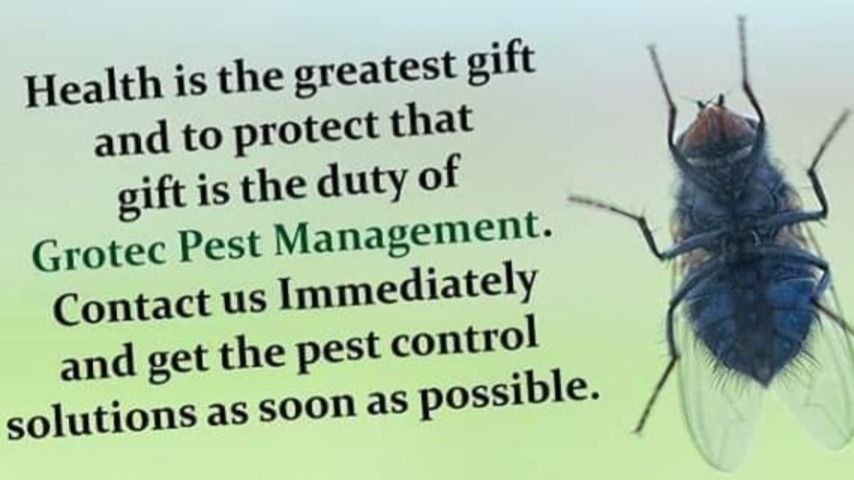
Agricultural waste and livestock-related areas create fly breeding grounds. Flies from these areas move into residential neighborhoods.
Standard Pest Problems in Gurdaspur
Beyond agricultural pests, Gurdaspur experiences standard domestic pest problems:
Termites:
Gurdaspur's soil supports termite colonies. Without professional barriers, termite infestation is likely. Learn more about termite control options and porous pipe systems for new construction.
Cockroaches:
Water from irrigation and monsoon creates moisture that cockroaches need. Cockroach problems are common, especially during wet seasons.
Mosquitoes:
Monsoon brings rapid mosquito breeding. Gurdaspur's irrigation systems create additional breeding areas. Dengue risk is significant July-September.
Bed Bugs:
More common in Gurdaspur's older residential areas, particularly in densely populated zones.
Professional Pest Control Approach in Gurdaspur
Professional pest management in Gurdaspur accounts for local agricultural and environmental factors.
Seasonal Planning:
Treatment schedules are planned around agricultural cycles. Post-harvest periods require different approaches than planting season.
Agricultural-Residential Interface:
Specialists understand how farm pests affect residential areas. Treatment recommendations account for this interface.
Water Management:
Addressing irrigation-related water and standing water is part of comprehensive pest control. This is especially important for mosquito management.
Rodent Control Strategy:
In Gurdaspur, rodent control often requires addressing both residential rodent problems and farm-related rodent activity. Comprehensive approach includes both areas.
How Professional Treatment Works
Professional pest management begins with inspection specific to Gurdaspur's conditions:
Property Assessment:
Specialists examine your home, foundation, plumbing, and potential entry points. They assess moisture levels and pest activity signs.
Agricultural Factor Assessment:
For Gurdaspur properties, specialists also assess proximity to farms and agricultural activity. This helps determine which pests pose greatest risk to your property.
Targeted Treatment Plan:
Based on findings, specialists develop a treatment plan addressing your specific pest problems. This might include termite barriers, cockroach treatment, mosquito breeding-area elimination, or rodent control—depending on your situation.
Prevention Guidance:
Specialists provide specific prevention recommendations for Gurdaspur properties—sealing entry points, managing moisture and standing water, and addressing agricultural-related pest risks.
Monitoring Plan:
Follow-up inspections track treatment effectiveness and catch new problems early. In Gurdaspur, this monitoring is often seasonal because pest pressure varies by agricultural cycle.
Real Pest Control Situations in Gurdaspur
Situation 1: Post-Harvest Grain Storage Problem
A Gurdaspur farmer storing grain near his residential property discovered stored-product insects (food grain pests) had moved from storage into the home. Professional treatment addressed both the storage area and the home, plus provided recommendations for storage protection. The pest problem resolved once storage practices were improved.
Situation 2: Monsoon Mosquito Outbreak
During monsoon, a Gurdaspur neighborhood experienced Dengue-carrying mosquito surge. Professional mosquito management focused on eliminating standing water from irrigation systems and old wells, plus treating breeding areas. This reduced mosquito population significantly. Ongoing monitoring through peak season prevented serious Dengue outbreaks.
Situation 3: Termite Protection During Construction
A new home was being built in Gurdaspur near farming areas. Professional termite barriers (porous pipes) were installed during foundation work. This protected the new home from termite infestation from the start. The protection was specifically important given the agricultural environment and high termite risk in Gurdaspur soil.
Pest Control in Gurdaspur
Professional Treatment Cost: ₹6,000-12,000 per application
Typical Cost Structure:
- Initial treatment: ₹8,000-10,000
- Follow-up inspection: Included
- Quarterly maintenance (optional): ₹2,000-4,000 per quarter
Long-Term Budget:
For typical Gurdaspur home: ₹8,000-12,000 annually for professional service, compared to much higher costs if pest problems lead to property damage or agricultural pest infestation.
The financial case for professional treatment is clear in Gurdaspur, where agricultural pests can cause significant problems if not managed professionally.
Preventing Pest Problems in Gurdaspur
Prevention works alongside professional treatment:
Storage Best Practices:
If storing grain or agricultural products near your home, use sealed storage containers. Keep storage areas clean. Professional pest specialists can recommend storage improvements.
Moisture Management:
Fix plumbing leaks quickly. Manage irrigation runoff near your property. Use exhaust fans in bathrooms and kitchens. Reduce moisture wherever possible.
Entry Point Sealing:
Seal cracks and gaps around windows, doors, and foundation. Pay special attention to entry points on the side of your home closest to agricultural areas.
Exterior Maintenance:
Keep gutters clean and draining properly. Remove standing water sources, especially during monsoon. Trim vegetation away from building exterior.
Kitchen Hygiene:
Store food in sealed containers. Clean up food debris immediately. Don't leave dirty dishes out overnight. Food attracts multiple pest types in Gurdaspur.
Trash Management:
Use sealed trash containers. Store trash away from your living areas. In Gurdaspur, trash attracts rodents from nearby agricultural areas.
Seasonal Pest Management in Gurdaspur
Pre-Monsoon (April-May):
Professional mosquito breeding-area treatment. Termite barrier inspection. Rodent population management.
Monsoon (June-September):
Intensive mosquito monitoring and management. Cockroach control as moisture increases. Flying insect management.
Post-Monsoon (October-November):
Post-harvest pest management. Assessment of any pest problems that developed during monsoon. Preparation for winter rodent activity.
Winter (December-March):
Rodent population management as cold drives them toward homes. Maintenance of termite barriers. Annual inspection and planning for next year.
Professional specialists can help you plan treatment according to these seasonal patterns.
Questions About Pest Control in Gurdaspur
How does proximity to farms affect pest management?
Proximity to agricultural areas increases pest pressure. Pests from farms more readily move to nearby homes. Professional treatment plans account for this by recommending stronger barriers and more frequent monitoring.
Should I treat my property if I'm not having problems yet?
In Gurdaspur, preventive treatment during high-risk seasons (pre-monsoon and post-monsoon) is often more effective than waiting for problems to develop. Discuss preventive strategies with professional specialists.
What about pesticides used by farmers—does that affect my pest control?
Agricultural pesticide use affects pest populations and pest behavior. Professional specialists understand these dynamics and adjust recommendations accordingly. This is another reason local expertise matters in Gurdaspur.
Is professional treatment necessary, or can I manage pests myself?
In Gurdaspur, agricultural pest pressures often exceed what DIY approaches can handle. Professional treatment typically proves more effective and less long-term. For agricultural-related pest problems, professional approach is recommended.
How often should professional treatment be done?
This depends on pest type and pressure. Seasonal approach works well for Gurdaspur—intensive treatment during high-risk seasons, maintenance during lower-risk seasons. Discuss scheduling with specialists based on your specific situation.
Moving Forward in Gurdaspur
If you're experiencing pest problems in Gurdaspur, professional assessment is the logical first step.
A specialist familiar with Gurdaspur's agricultural environment and unique pest patterns can tell you exactly what's happening and what treatment approach is appropriate.
For Gurdaspur properties, where agricultural and environmental factors create unique pest challenges, professional pest management is practical necessity.
See Also:
- Professional Pest Control in Pathankot - Urban pest approach
- Pest Control in Jalandhar - Jalandhar strategies
- Termite Control in Pathankot - Soil termite treatment
- Pre-Construction Termite Treatment - Building new?
---
Professional Pest Management for Gurdaspur
Our specialists understand Gurdaspur's agricultural environment and seasonal pest patterns.
Contact Us:
- Phone: Call: 7837019234
- WhatsApp: Message Us
- Email: grotecgpm@gmail.com
- Request Free Inspection: https://gpmpest.org/contact/